
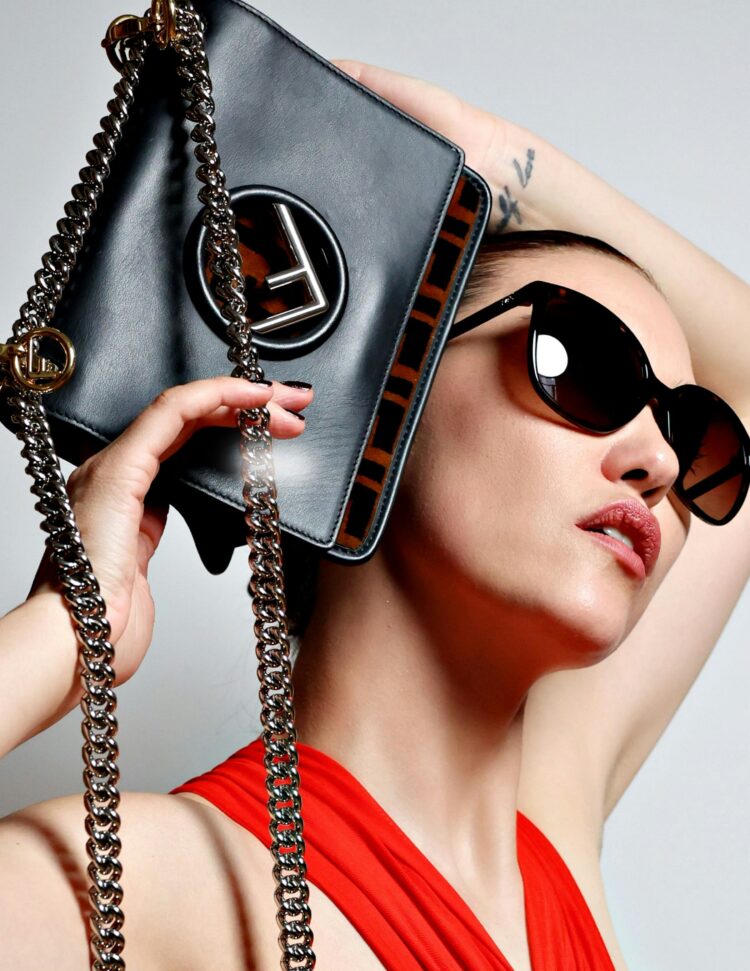
In 2026, looking “expensive” has nothing to do with the price tag and everything to do with intentionality. Fashion editors are moving away from loud logos and leaning into “Quiet Power”—a style that emphasizes structure, grooming, and smart color choices.
Here are the 12 secrets to looking like a million dollars on a high-street budget.
1. The Tailoring Trick
A $50 blazer from a high-street store can look like a $1,000 designer piece if it fits perfectly. Fashion editors swear by local tailors to nip in the waist or hem trousers to the exact millimeter.
- The 2026 Move: Look for “sculpted suiting”—blazers with architectural seams that define the waist.
2. Master the Monochrome
Wearing one color from head to toe is the fastest way to look “editorial.” It creates a long, seamless vertical line that feels incredibly polished.
- Pro Tip: Mix textures (like a silk skirt with a chunky knit sweater) in the same shade to add depth.
3. Replace the Buttons
Plastic, flimsy buttons are a dead giveaway of cheap clothing. Head to a craft store and swap them for metal, horn, or mother-of-pearl buttons to instantly elevate a cardigan or coat.
4. Steam, Don’t Iron
Wrinkles are the enemy of elegance. A handheld steamer is a fashion editor’s best friend. Even the most affordable cotton shirt looks high-end when it’s perfectly crisp and ripple-free.
5. Invest in “Pointed” Footwear
While chunky sneakers had their moment, 2026 is the year of the pointed toe. This silhouette elongates the leg and draws the outfit to a sharp, well-defined point that feels more formal and expensive.
6. The “Scarf Drape”
Take a silk or high-quality wool scarf and drape it over your shoulders rather than wrapping it tightly around your neck. This “dashing” style adds a layer of sophistication without costing a cent.
7. Choose Structured Over Slouchy
It is much harder to make “slouchy” look expensive. Editors recommend at least one structured piece per outfit—like a rigid handbag or a coat with strong shoulders—to anchor the look.
8. Opt for Darker Tones
While creams and beiges are classic, deep tones like navy, espresso, charcoal, and the 2026 “it” color—Burgundy—exude luxury. These colors hide fabric imperfections and keep their “new” look longer.
9. Grooming is 50% of the Outfit
You could be wearing a designer gown, but chipped nail polish or messy hair will bring the look down. A sleek bun, clean nails (nude or classic red), and well-maintained skin are the ultimate “expensive” accessories.
10. Ditch the “Closet Noise”
Fashion editors follow the “Rule of Restraint.” Remove one accessory before leaving the house. If an item requires constant “justifying” or feels uncomfortable, it’s adding noise to your style and should be donated.
11. Silver-Toned Accents
While gold is a staple, cool-toned silver hardware is seeing a massive resurgence in 2026. It catches the light differently and often looks more modern and “art-gallery chic” when paired with neutrals.
12. Use the “Rule of Three”
An outfit isn’t complete until it has three elements. Usually, this means a top, a bottom, and a “third piece”—like a belt, a blazer, or a statement watch. This third piece is what makes an outfit look styled rather than just “thrown on.”
The Golden Rule for 2026 Always prioritize Natural Fibers. When shopping budget brands like Uniqlo or Mango, check the labels for cotton, linen, and wool. Avoid low-grade polyester, which has a shiny finish that instantly looks inexpensive.



No Comments
Leave Comment