
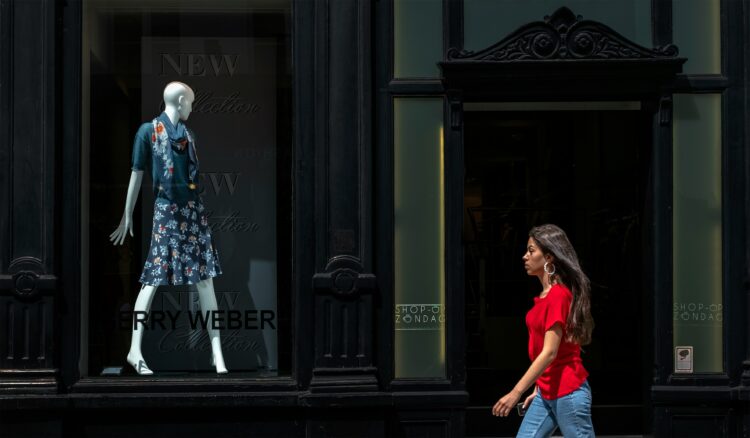
In 2026, the fashion world is hitting a crossroads. After years of rapid price hikes—with some iconic handbags doubling in price since 2019—consumers are finally asking: What am I actually paying for?
With high-street retailers like Uniqlo and Quince mastering high-quality basics, and luxury brands facing scrutiny over declining craftsmanship, the line between “investment” and “overpriced” has blurred. Here is the 2026 breakdown of when to splurge and when to save.
The “Quality Gap” is Shrinking
For decades, luxury meant superior construction. Today, the “State of Fashion 2026” reports suggest that while luxury prices have skyrocketed, craftsmanship has occasionally plateaued or even dipped due to mass-production pressures.
- The High-Street Win: Modern tech has allowed high-street brands to mimic luxury finishes. You can now find 100% Grade-A cashmere or Italian leather at a fraction of the designer cost.
- The Luxury Reality: You aren’t just paying for the fabric; you’re paying for the heritage, the ethical supply chain transparency (which is now a legal requirement in many regions), and the resale value.
When Luxury is “Worth It” (The Investment List)
Not all luxury is created equal. In 2026, fashion editors recommend spending your “big” budget on items that retain or increase in value:
- Hard Luxury (Watches & Fine Jewelry): These are the only categories where the raw materials (gold, stones) and mechanical movements have a “floor” value that rarely drops.
- Goodyear Welted Footwear: As discussed in our investment guide, a shoe that can be resoled by a cobbler for 20 years is infinitely more valuable than five pairs of glued high-street boots.
- The “Icon” Bags: Brands like Hermès or Chanel (in specific colors) continue to outperform the stock market in terms of ROI. If you can sell it for 80% of what you paid after five years, the “cost-per-wear” is incredibly low.
When High-Street is the Smarter Move
- Trend-Driven Silhouettes: If you’re experimenting with a 2026 trend—like the “Asymmetric Waist” or “Capri Blue”—don’t drop thousands. These styles may feel “dated” by 2028.
- Cotton & Linen Basics: A $300 organic cotton T-shirt is rarely 10 times better than a $30 one. The law of diminishing returns hits natural cotton very quickly.
- Athleisure: Tech-fabrics for the gym have become standardized. Many mid-tier brands use the exact same textile mills as high-end luxury activewear labels.
The 2026 “Smart Shopper” Strategy
Instead of choosing one or the other, the most stylish women in 2026 are “High-Low” Dressing.
- The Formula: Invest in the “Anchors” (Coats, Shoes, Handbags) and save on the “Fillers” (T-shirts, seasonal knits, trendy trousers).
Fashion Editor Secret: In 2026, “Quiet Luxury” has moved toward Affordable Luxury. Brands that offer transparent pricing and “direct-to-consumer” models are the new status symbol because they represent financial intelligence, not just wealth.


Leave Comment